 ✿
✿
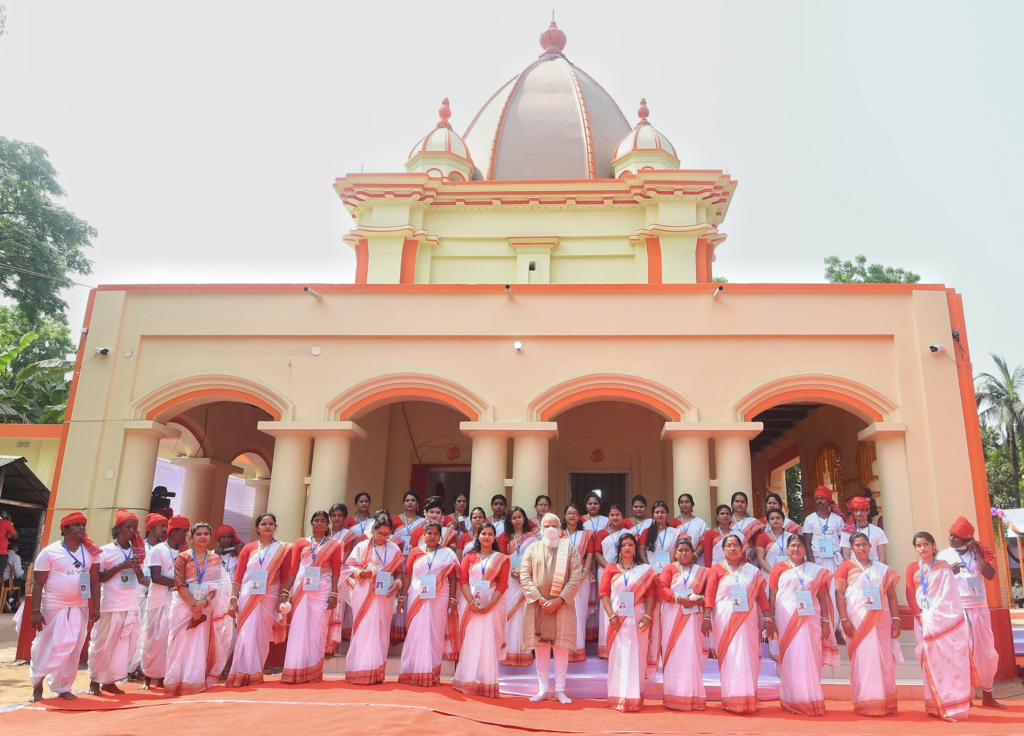
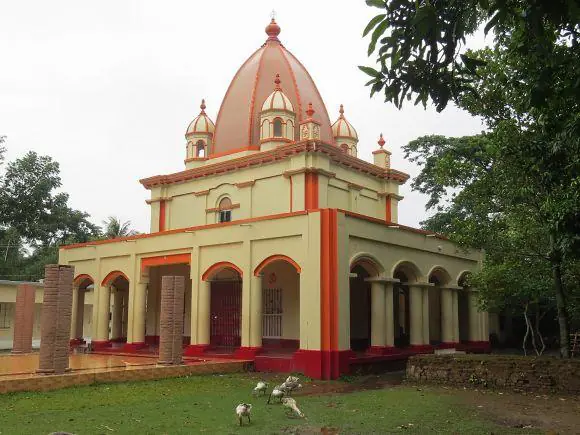
Satkhira · Khulna
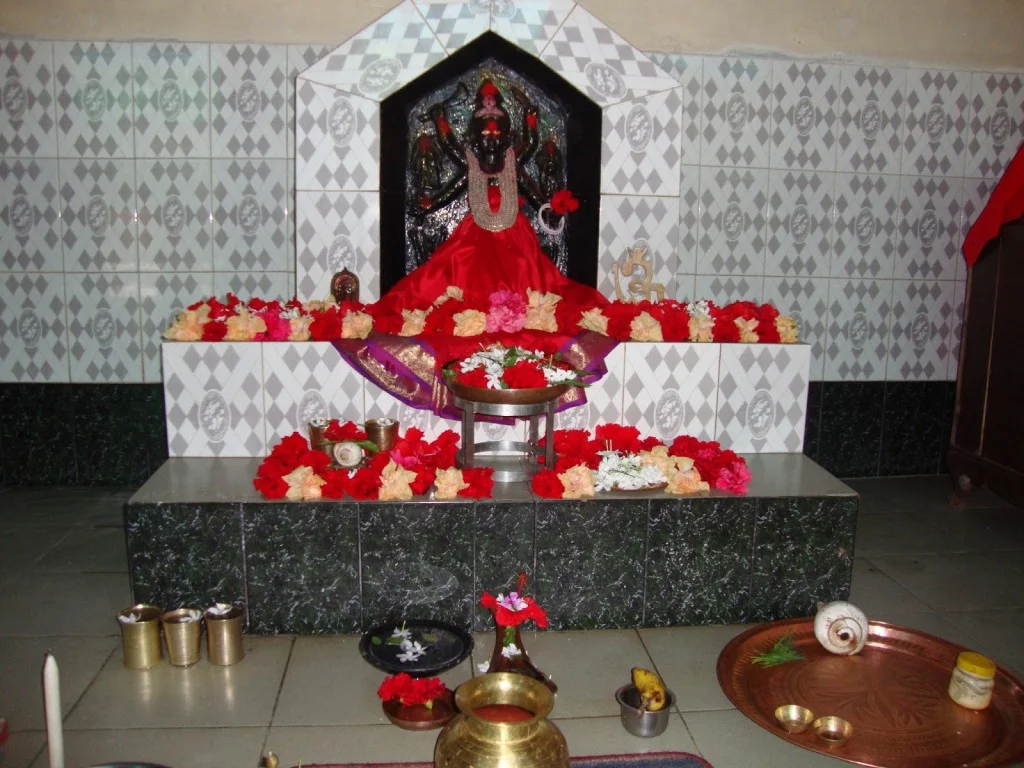
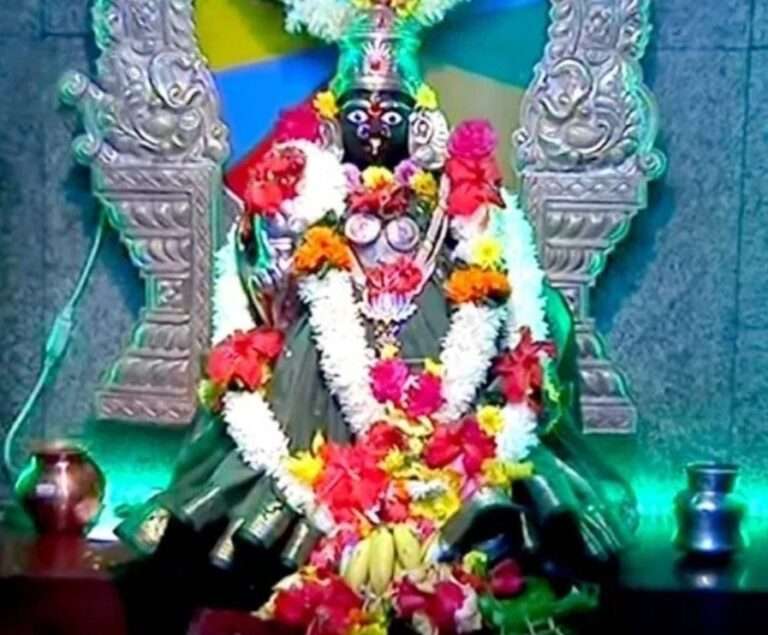
Jessoreswari
Where Sati’s palms and soles are revered to have fallen — a temple consecrated for centuries beneath the open Bengal sky.
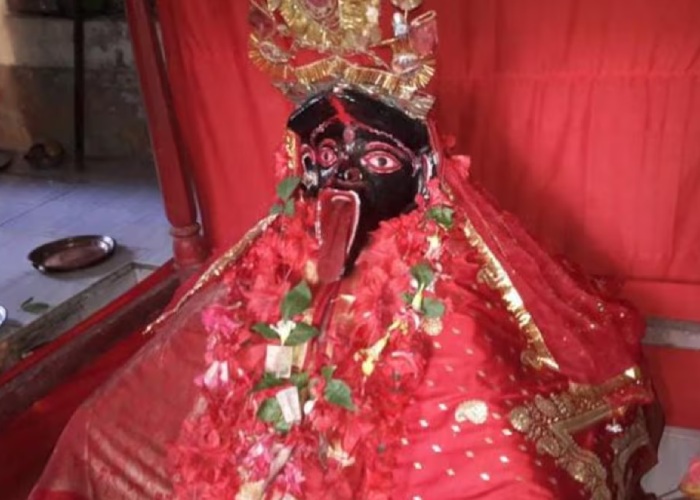
Walk the timeless pilgrimage of Goddess Sati — through the holy temples of Bangladesh where her sacred relics are believed to have descended, and where eternal devotion still rises with the dawn.
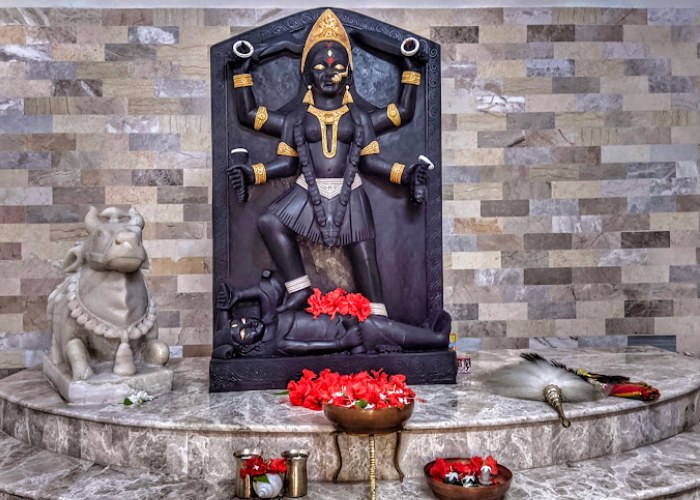
The Bangladesh Shaktipeeths form a luminous thread in the great cosmic geography of the fifty-one Shakti Peethas — the holy places where the body of Goddess Sati is revered to have fallen.
Nestled across the deltas of Bengal, the marshlands of Barisal, the ancient hills of Chattogram and the river-lit plains of Sherpur, these temples preserve a living tradition of Goddess worship. Beyond architecture and stone, they hold within them a continuum of devotion — a spiritual geography woven through dynasties, wandering saints, devoted villagers and the unbroken chants of generations.
The Story of the Peethas ➞Each Shaktipeeth in Bangladesh stands at the meeting place of myth, geography, art and devotion. Together they form a living cultural inheritance unmatched in South Asia.
Mapped across Bengal’s rivers and hills, each temple marks where a relic of the Goddess fell from Shiva’s embrace.
Stories from the Daksha Yajna and Vishnu’s Sudarshan still resonate within the sanctum walls.
Centuries of wandering devotees, ascetics and pilgrims have inscribed these grounds with prayer.
The Divine Feminine — Kali, Tara, Bhavani — is invoked here in her most ancient and most tender forms.
✿
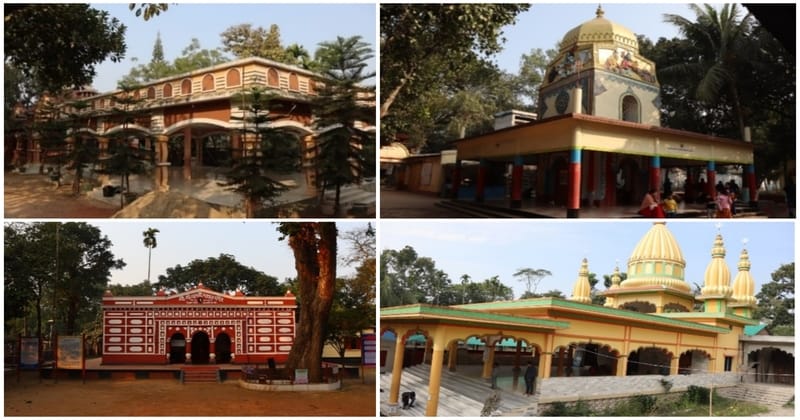
Where Sati’s palms and soles are revered to have fallen — a temple consecrated for centuries beneath the open Bengal sky.
 ✿
✿
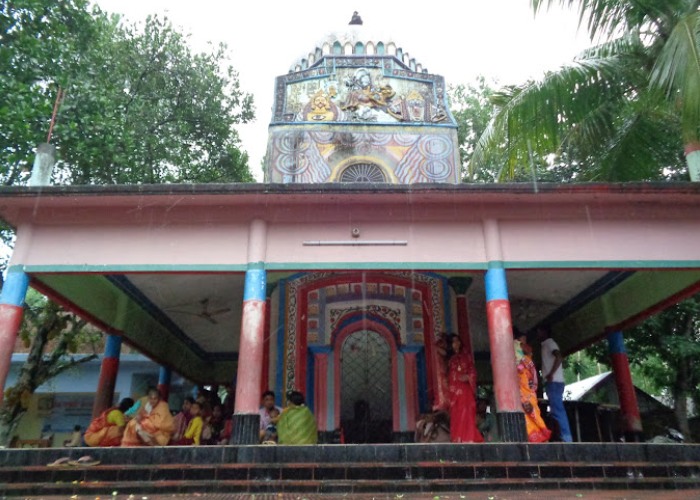
Beside the Sondha river, the fragrance-bearing site where Sati’s nose is venerated; among the most ancient Peethas of Bengal.
 ✿
✿
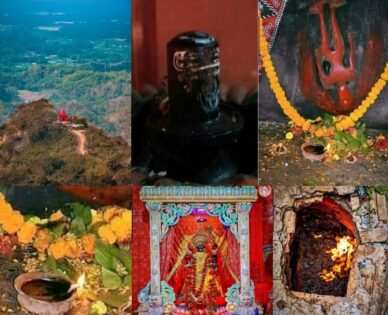
A cradle of Devi worship at Bhabanipur where the Goddess is invoked as Aparna, ‘the leafless one’ of austere devotion.
 ✿
✿
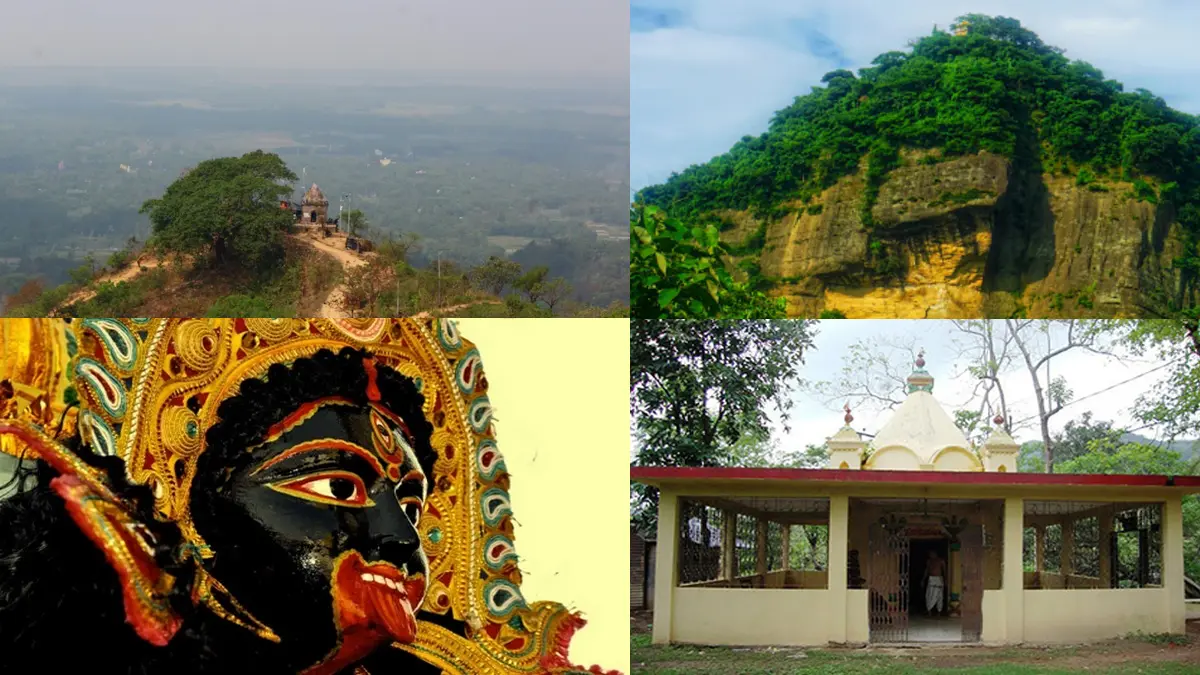
High upon the Chandranath hill, an ancient seat of Shaiva-Shakta worship overlooking the Bay of Bengal.
 ✿
✿
An older site of remembrance where the Devi is invoked as Bhavani — the bestower of existence and primal grace.
 ✿
✿
A sacred bathing kunda at the Karatoya, where the silence of monsoon water carries centuries of mantra.
Practical wisdom for the pilgrim — gathered from temple custodians, local custodians of tradition, and travellers who have walked these paths before.
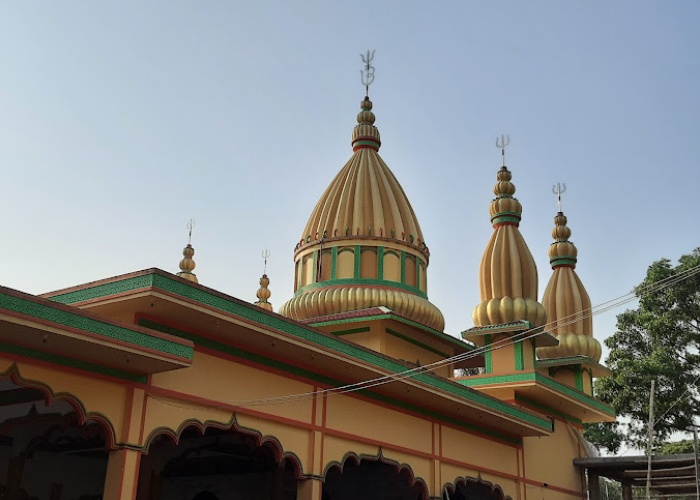
Cool, clear months ideal for travel; the festivals of Durga Puja and Kali Puja illuminate the temples.
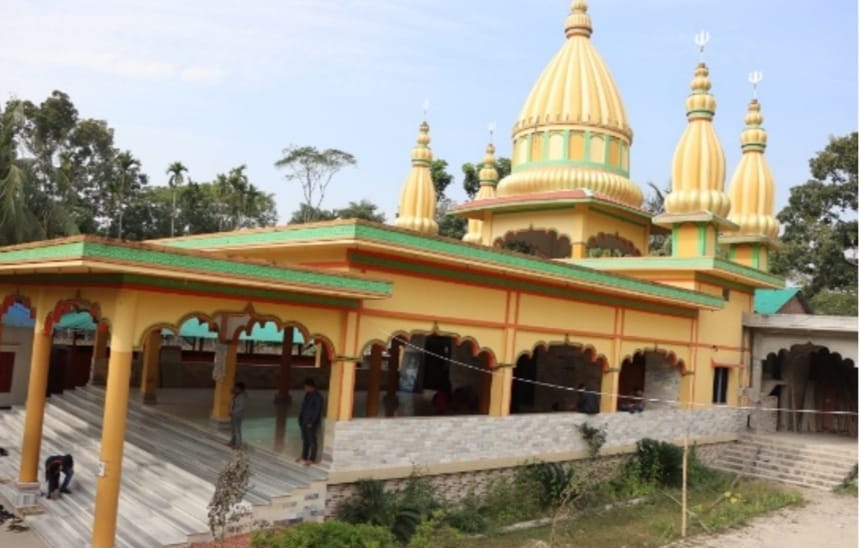
Multiple-entry tourist visas are issued for cultural and religious visits to Bangladesh.
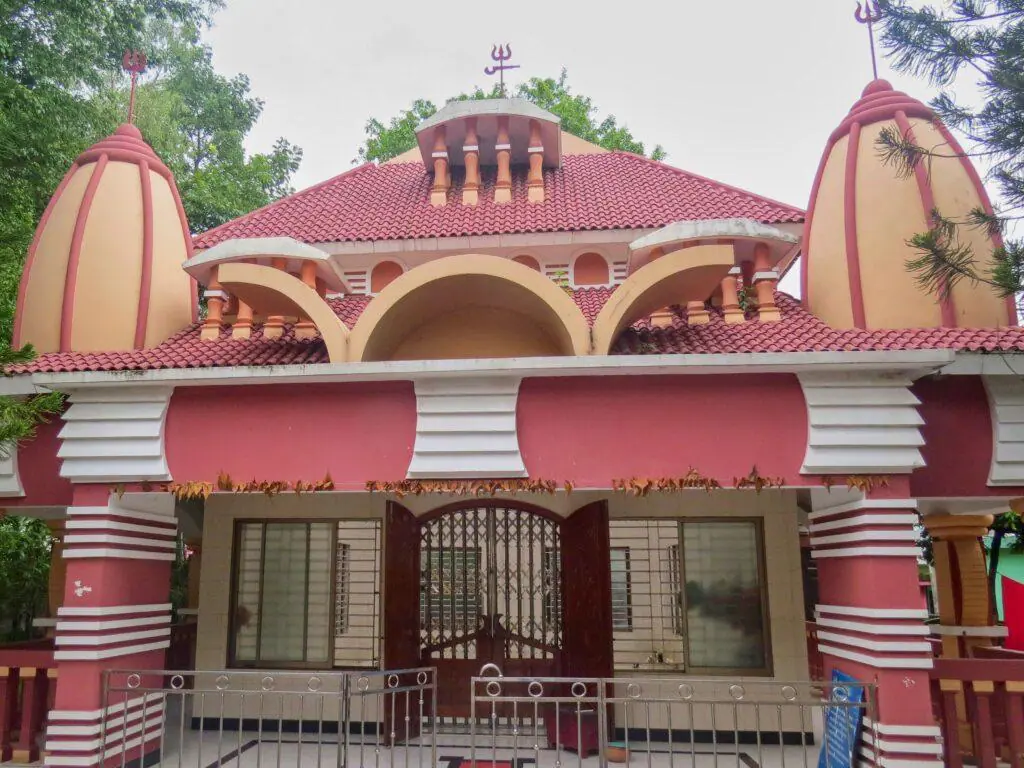
Modest clothing, removal of footwear at sanctum, no flash photography near deities.
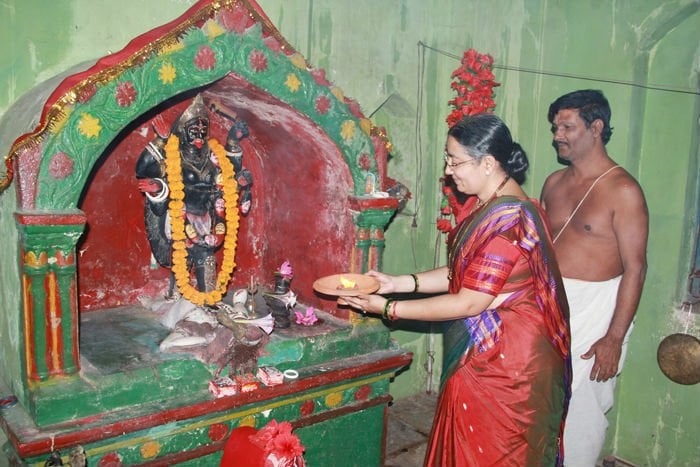
Hibiscus, marigold, sindoor and ghee diyas are most welcomed by the priests in service.
The Goddess is invoked with greatest splendour during Navaratri and Kalipuja Amavasya.
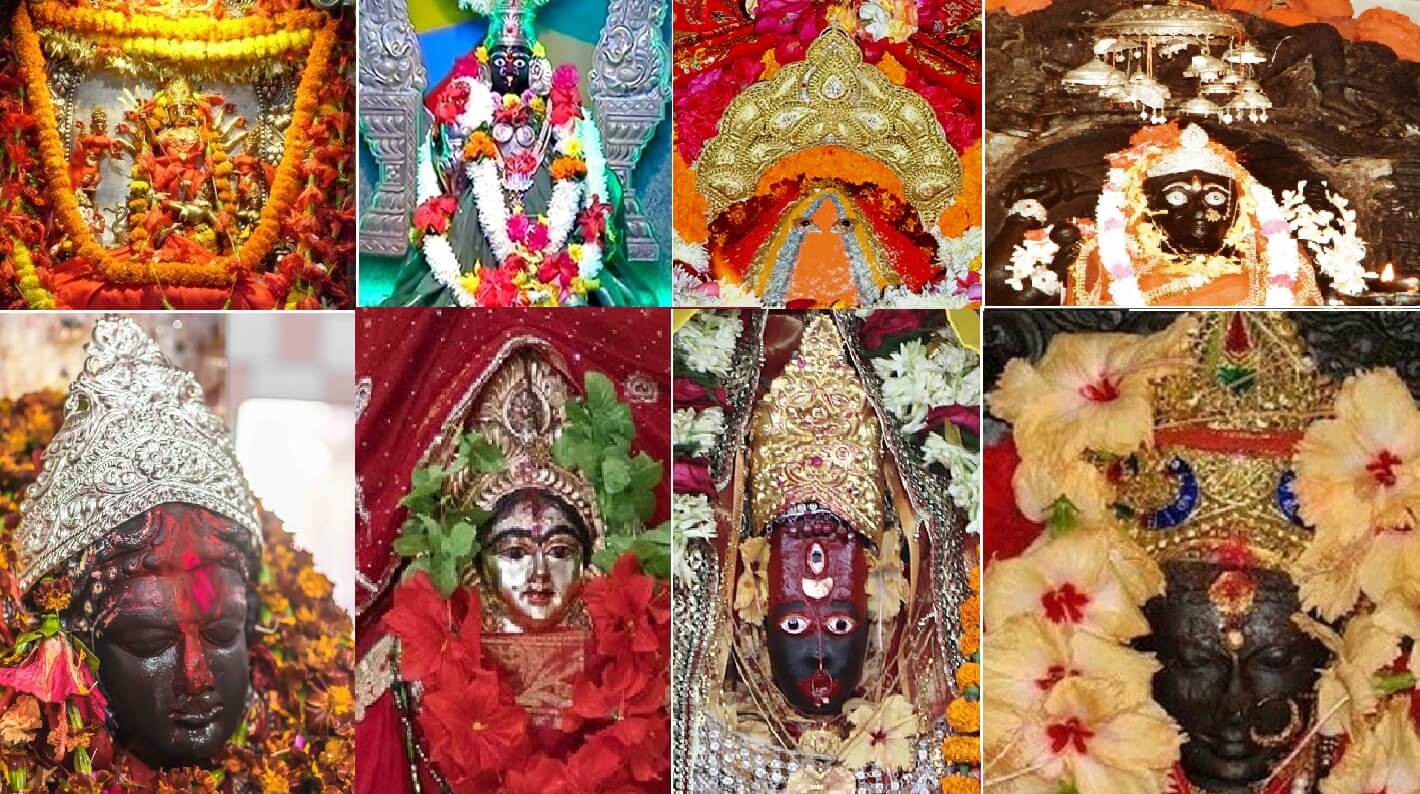
Across the subcontinent, from Hinglaj in Balochistan to Kamakhya in Assam — fifty-one places mark the sacred fall of the Goddess. Bangladesh holds among its land seven to eight of these revered sites.
Each Peeth carries a distinct presiding form of the Devi and a Bhairava who guards her. Together they constitute a vast, interconnected mandala of devotion — a spiritual lattice that unites Hindu civilization across modern political borders.
The Mythology & Origin ➞These temples carry the breath of generations. Each weathered stone, each sanctum lamp, each well-worn floor where pilgrims once knelt — together form an inheritance that belongs not to one community alone but to the universal stream of human devotion. We honour the priests, custodians, conservators and local communities of Bangladesh who keep this living tradition alive against the slow wear of time.