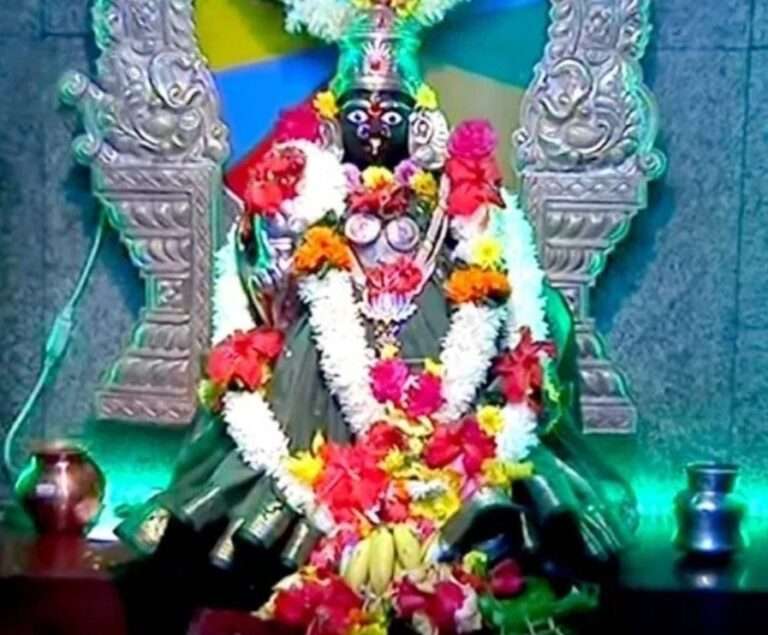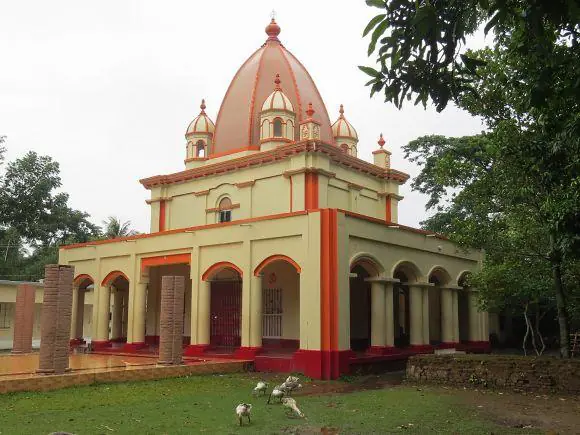
Jessoreswari Shakti Peeth temple
Home Sacred Temples
A Detailed Pilgrim Archive

Sacred Temples
of Bangladesh

The principal Shakti Peethas of Bangladesh — their history, architecture, festivals, current state and the rituals through which the Devi continues to be invoked.

Jessoreswari Kali Temple, Ishwaripur, Satkhira Peeth I · Satkhira
Yogeshwari Devi

Jessoreswari Shakti Peeth

Presiding Goddess: Yogeshwari · Bhairava: Chanda

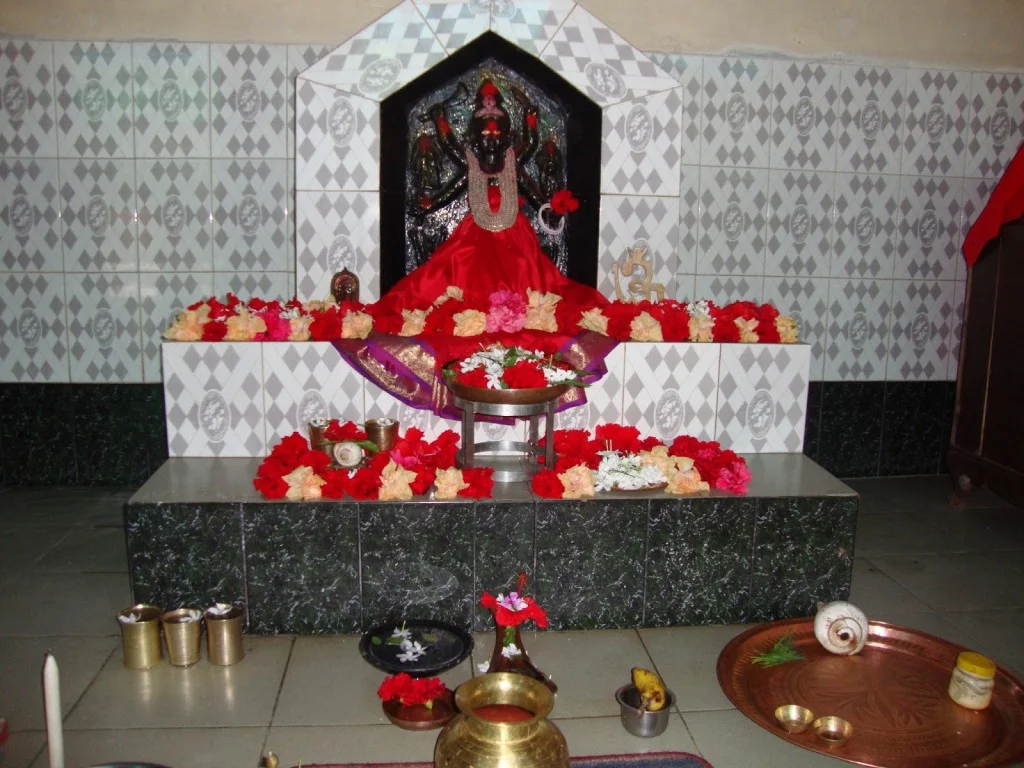
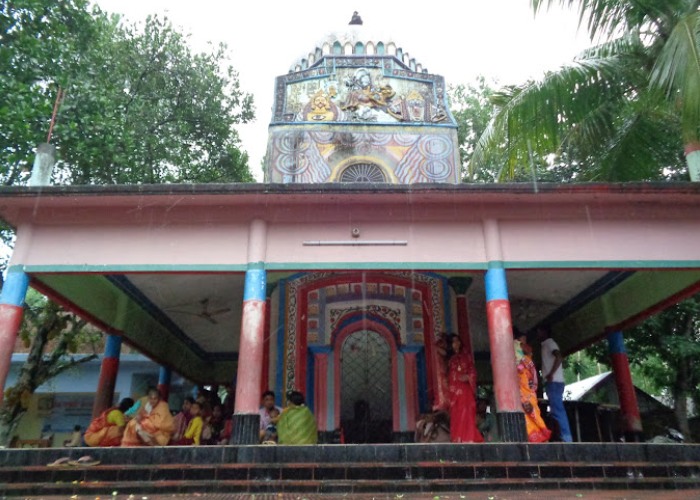
Among the most renowned of all Bangladeshi Peethas, Jessoreswari stands at Ishwaripur in the Shyamnagar upazila of Satkhira. Tradition holds that here fell the palms and soles of Goddess Sati. The current temple is believed to date to a Pratapaditya-era reconstruction in the late sixteenth century, with the deity worshipped in a fierce Kali aspect. The temple endures as one of the foremost active Shakti Peethas in South Asia and a site of major Kali Puja celebrations.

Relic
Palms & soles of Sati
Architecture
Bengali domed sanctum with rekha shikhara influence
Festivals
Kali Puja, Durga Puja, Ratanti Kali
Visitor Note
Open daily; modest dress required
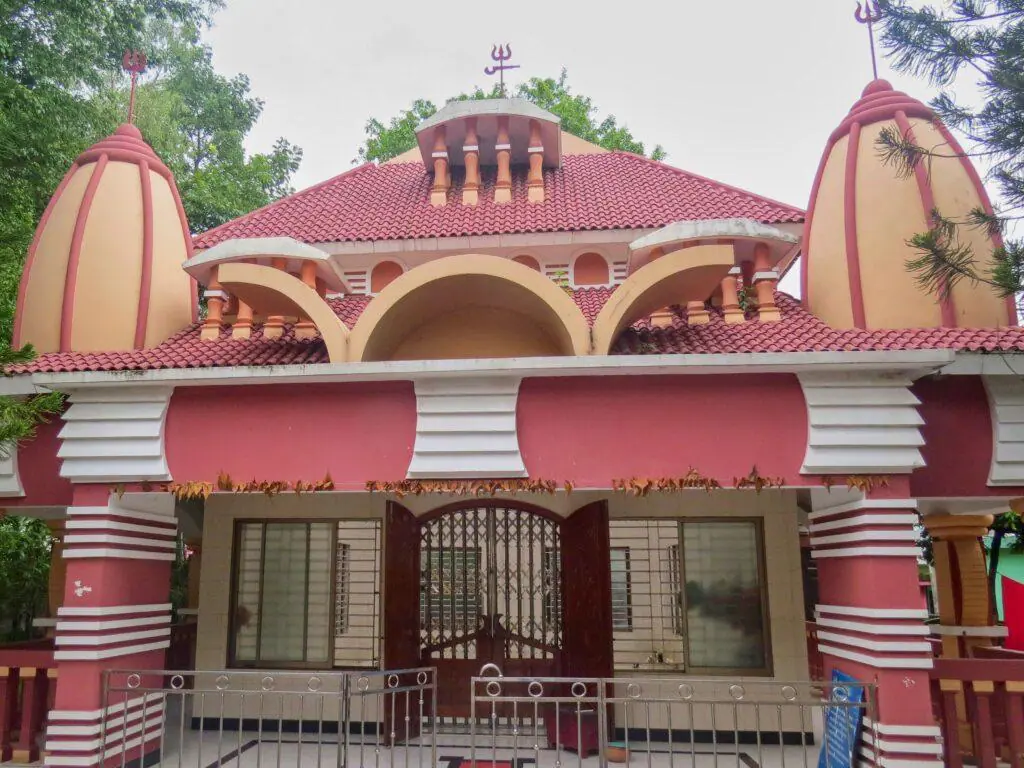
Sugandha Shakti Peeth idol of Goddess Sunanda Peeth II · Barisal
Sunanda Devi

Sugandha Shakti Peeth

Presiding Goddess: Sunanda · Bhairava: Tryambaka

By the gentle Sondha river at Shikarpur near Barisal stands Sugandha — among the most sacred of the Bengali Peethas, where the nose of Goddess Sati is venerated. The very name Sugandha, ‘the fragrant one’, recalls the divine perfume said to mark her presence. The temple has stood through centuries of devotional continuity and is associated with annual fairs that draw pilgrims from across South Asia.

Relic
The nose of Sati
Architecture
Riverbank shrine, recent reconstructions retain traditional plan
Festivals
Sugandha Mela, Durga Puja, Annapurna Vrata
Visitor Note
Boat approach is auspicious; festival season is most vivid
Aparna Shakti Peeth, Bhabanipur, Sherpur Peeth III · Sherpur
Aparna Devi

Aparna Shakti Peeth, Bhabanipur

Presiding Goddess: Aparna · Bhairava: Vaman

At Bhabanipur in Sherpur stands the seat of Goddess Aparna — a name born of austere devotion, denoting the Devi who attained Shiva through penance so severe that she ceased to consume even the falling leaves. The Peeth is among the oldest active Devi temples in northern Bangladesh and is closely linked to the broader Bengali Shakta tradition.

Relic
Left anklet of Sati (regional tradition)
Architecture
Modest sanctum within a forested temple complex
Festivals
Durga Puja, Saraswati Puja, Basanti Puja
Visitor Note
Best in October-March; permit local custodians’ guidance
Chandranath Hill Shakti Peeth, Sitakunda Peeth IV · Chattogram
Bhavani Devi

Chandranath Shakti Peeth

Presiding Goddess: Bhavani · Bhairava: Chandrashekhar

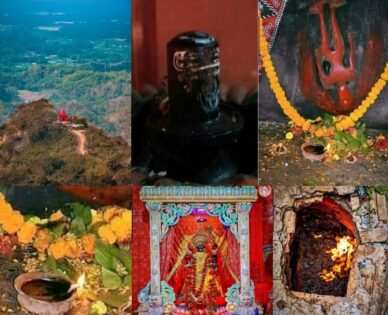
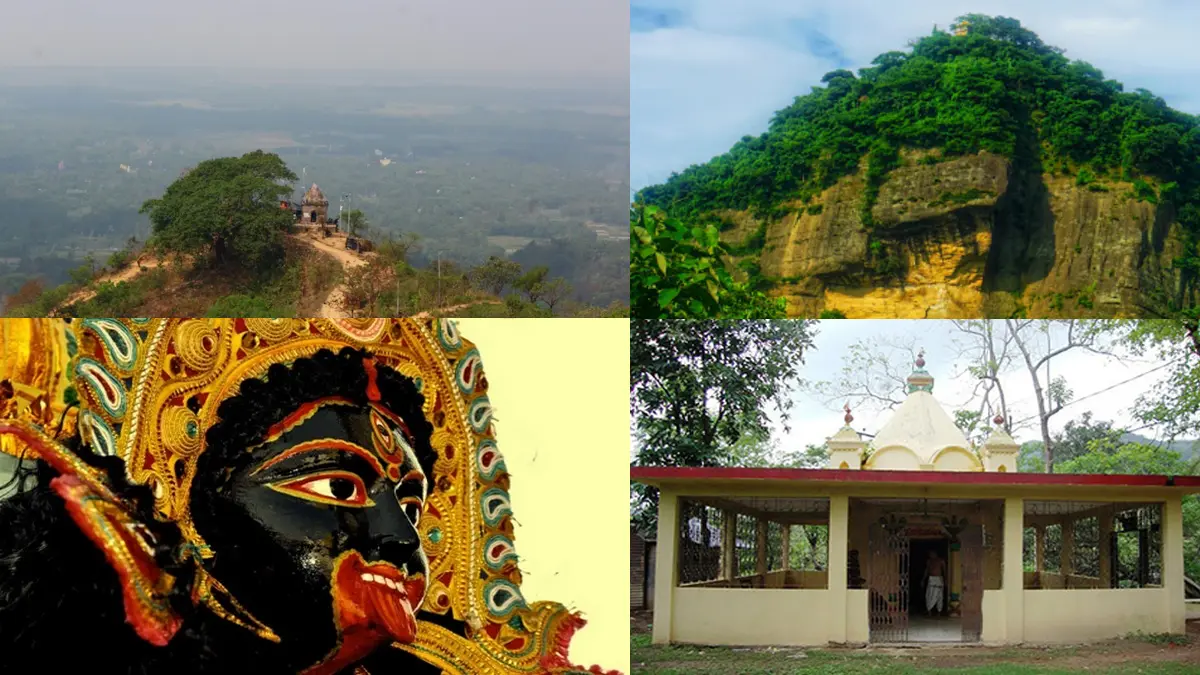
Crowning the Chandranath hill in Sitakunda overlooking the Bay of Bengal, this ancient sanctum is a luminous confluence of Shaiva and Shakta traditions. By tradition the right arm of Sati is venerated here, and the climb of more than a thousand stone steps is itself an act of devotion. The site is also a locus of the Shiva-Chaturdashi Mela that draws hundreds of thousands of pilgrims annually.

Relic
Right arm of Sati
Architecture
Hilltop sanctum, ancient stepped ascent
Festivals
Shiva-Chaturdashi Mela, Durga Puja
Visitor Note
Carry water; wear sturdy shoes; allow half a day
Chattal Bhavani Shakti Peeth in Chattogram Peeth V · Chattogram
Bhavani Devi

Chattal Bhavani Shakti Peeth

Presiding Goddess: Bhavani · Bhairava: Chandrashekhar

The Chattal site at Chattogram preserves an older line of the Bhavani tradition, often connected with the right arm of the Devi. Worship here predates the modern city itself, making the sanctum one of the oldest Hindu sites of the eastern coast. Local custodians have safeguarded the daily rituals across the centuries.

Relic
Right arm of Sati (tradition)
Architecture
Coastal sanctum, traditional Bengali plan
Festivals
Durga Puja, Kali Puja, Shivaratri
Visitor Note
Combine with Chandranath in a single Chattogram circuit
Srabani Shakti Peeth Kumarikunda by the Karatoya river Peeth VI · Bogura
Aparna Devi

Srabani · Kumarikunda

Presiding Goddess: Aparna · Bhairava: Vaman

By the ancient bed of the Karatoya at Banbhag, this watery shrine known as Kumarikunda is associated in tantric tradition with the left anklet of the Goddess. The kunda itself is held to be self-revealed; pilgrims circumambulate its stone embankments and offer flowers to the still surface where the sky doubles into water.

Relic
Left anklet of Sati
Architecture
Sacred kunda with stone embankment, riverside shrine
Festivals
Karatoya Snana, Kumari Puja, Magh Purnima
Visitor Note
Approach via Bogura; quiet pre-dawn hours are most contemplative
Lakhigadi Shaktipeeth landscape Peeth VII · Regional
Local Bhavani Tradition

Lakhigadi Shaktipeeth Tradition

Presiding Goddess: Lakshmi-Bhavani · Bhairava: Local guardian

Among the regional traditions of southern Bengal is the Lakhigadi (Lakshmigadi) site, venerated by local communities as a Devi seat connected with the broader Shakti Peeth network. While its scriptural placement varies, generations of villagers have observed it as a Peeth, sustaining festivals and oral traditions that carry the memory forward.

Relic
Local tradition (varies by source)
Architecture
Modest sanctum within a heritage landscape
Festivals
Lakshmi Puja, local Devi Mela
Visitor Note
Accompanied visit advised; speak with local custodians