Mythology of the Goddess Sati
Home History & Mythology
A Cosmic Narrative

The Story behind
Every Sacred Stone

From the sacrificial fire of Daksha to the cosmic dance of Shiva, from Vishnu’s Sudarshan to the formation of the fifty-one Peethas — the eternal mythology that animates every sanctum.

The Daksha Yajna and the assembly of gods
Chapter One

The Daksha Yajna

There was a sacrifice to which the Lord of Lords was not invited, and that omission set the cosmos on its path.

King Daksha Prajapati, father of Sati, organised a grand yajna and deliberately excluded Shiva — the wandering ascetic he could neither understand nor accept. Sati, daughter of Daksha and devoted consort of Shiva, learned of the sacrifice and journeyed to her father’s court. There she stood, witnessing as Daksha humiliated her beloved before the gathered seers and gods. To bear such insult was beyond her dharma. To refute it, she chose a path that would alter the fabric of creation.
Sati casting her body into the sacrificial fire
Chapter Two

Sati’s Sacrifice

She turned within, gathered the fire of her own being, and offered her form back to the cosmos.

By the discipline of her yogic will, Sati ignited her own body and was consumed in the very flames her father had kindled. The assembly stood in stunned silence. The earth trembled. The wind ceased. The yajna fires dimmed. Word travelled to Kailash — and Shiva, beholding what had been done, descended upon the sacrifice in the fullest of his dread aspects.

Shiva grieving with the body of Sati
Chapter Three

Shiva’s Cosmic Grief

He took her body upon his shoulder and began to dance — a dance the universe could not survive.

This was not the rhythmic Tandava of joy but the Tandava of unbearable sorrow. Mountains crumbled. Stars trembled in their constellations. The breath of the world stilled. The gods, watching as creation itself began to dissolve under the weight of Shiva’s grief, turned to Vishnu — the preserver of the cosmos — for an intervention.

Vishnu's Sudarshan Chakra dividing Sati's form
Chapter Four

Vishnu’s Sudarshan

From the spinning wheel of cosmic order, the body of Sati was gently divided — and the earth received her.

Vishnu released the Sudarshan Chakra, which moved invisibly upon the body of Sati — not in violence, but in compassion. Wherever a fragment of her form touched the earth, that ground was rendered holy for all time. Shiva’s dance softened. His grief did not end; it transformed. He became Bhairava at each of the places where she had fallen — her eternal guardian, her companion in stone.

The fifty-one Shakti Peethas across the subcontinent
Chapter Five

The Fifty-One Peethas

Fifty-one fragments became fifty-one fields of grace.

From Hinglaj in the western desert to Kamakhya in the eastern hills, from the Himalayan gorges to the deltaic plains of Bengal — each fragment of Sati became a Peeth. Each Peeth became a meeting place where the human heart could draw close to the Devi. The traditions catalogued their relics, their presiding forms, their guardian Bhairavas. A vast geography of devotion was born — one which transcends every political border drawn upon the modern map.

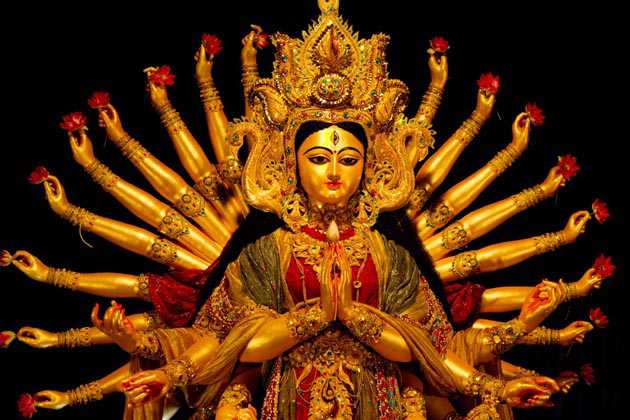
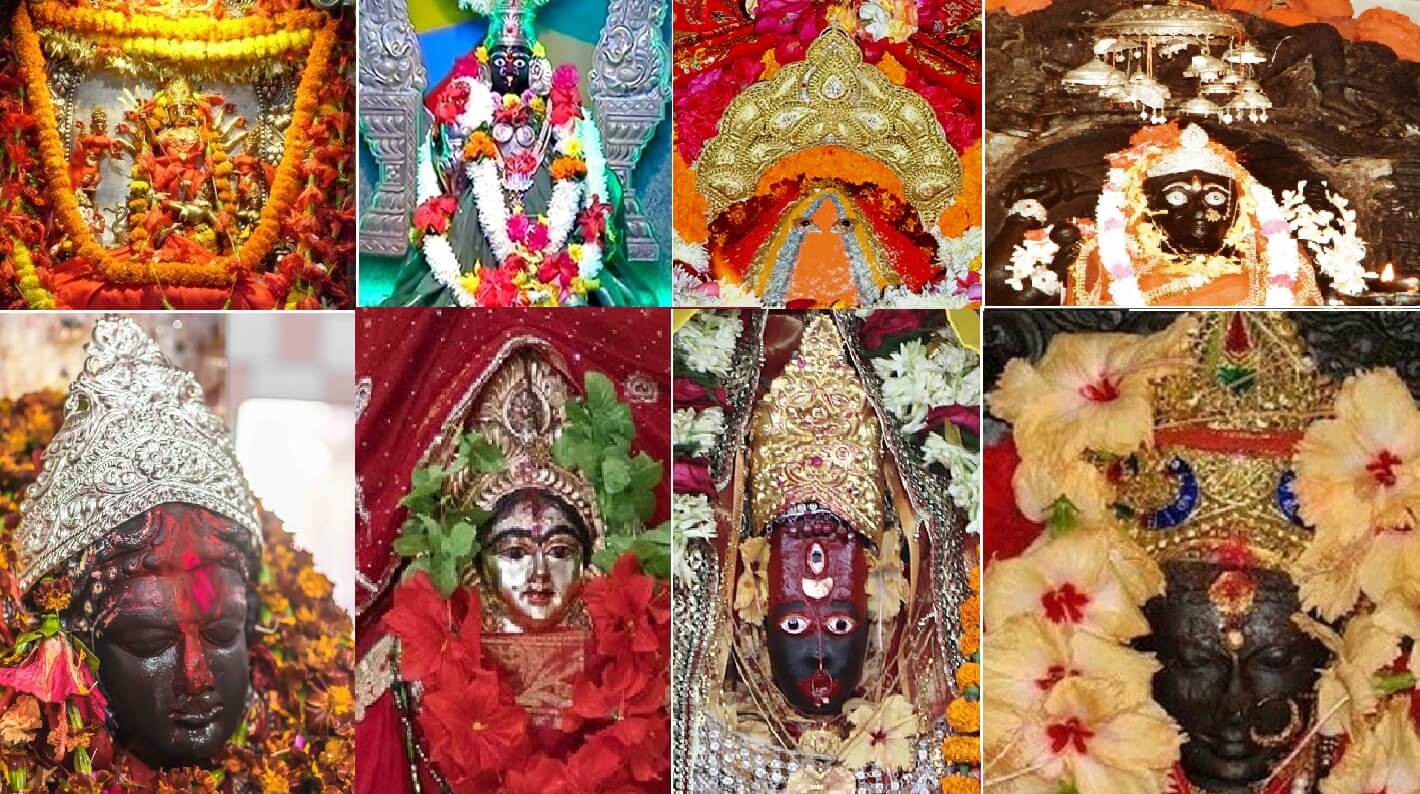
Goddess forms across regions of Bengal
Chapter Six

The Goddess in Many Forms

She is one, but her names are countless — each name a doorway, each doorway a temple.

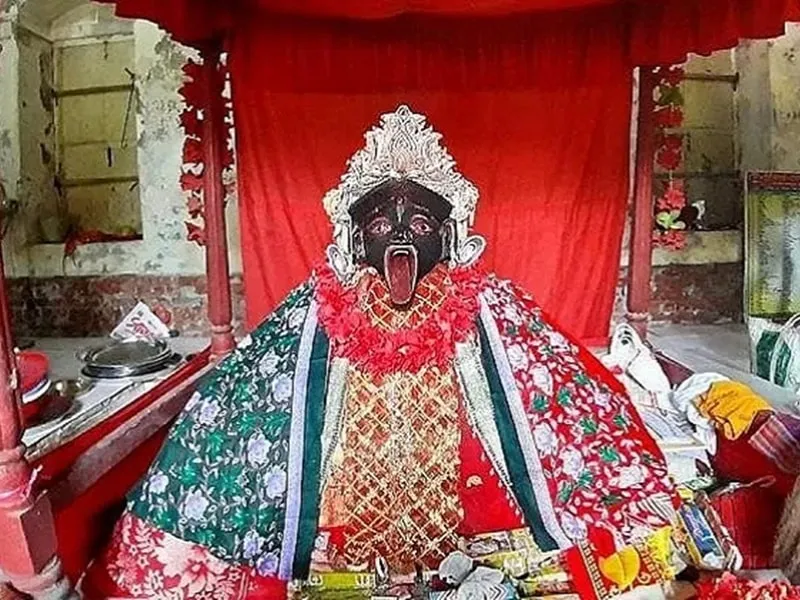
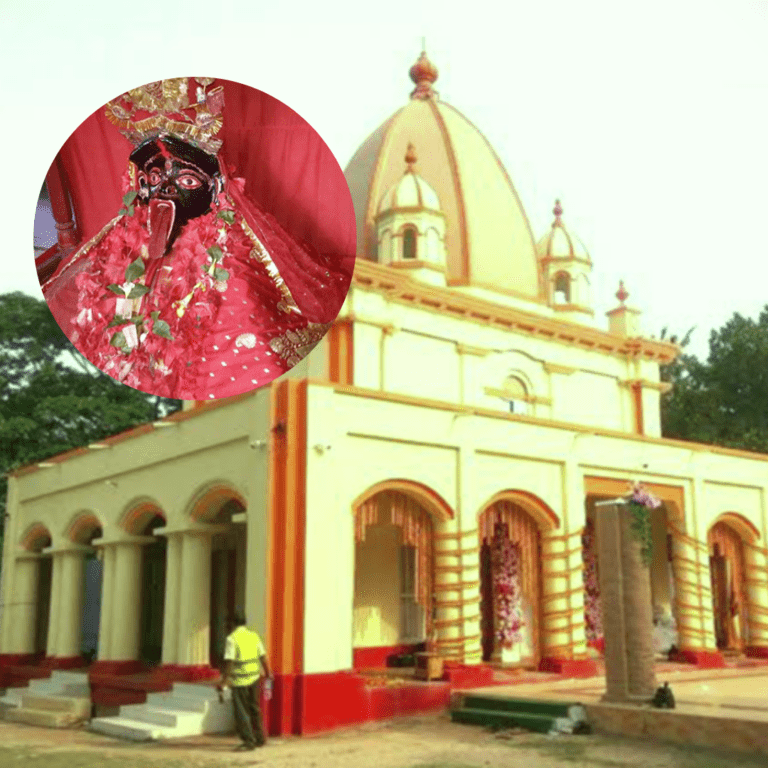
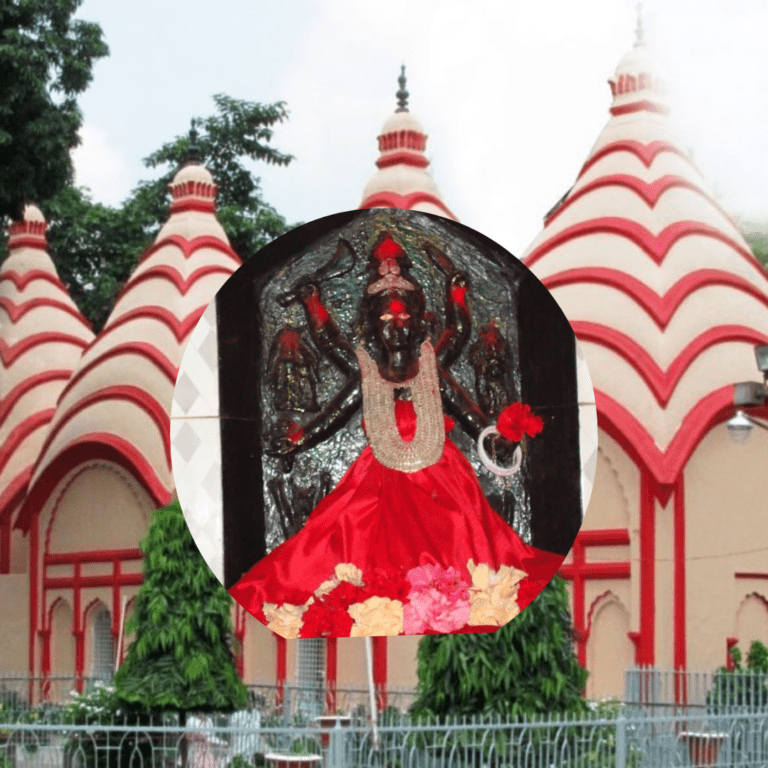
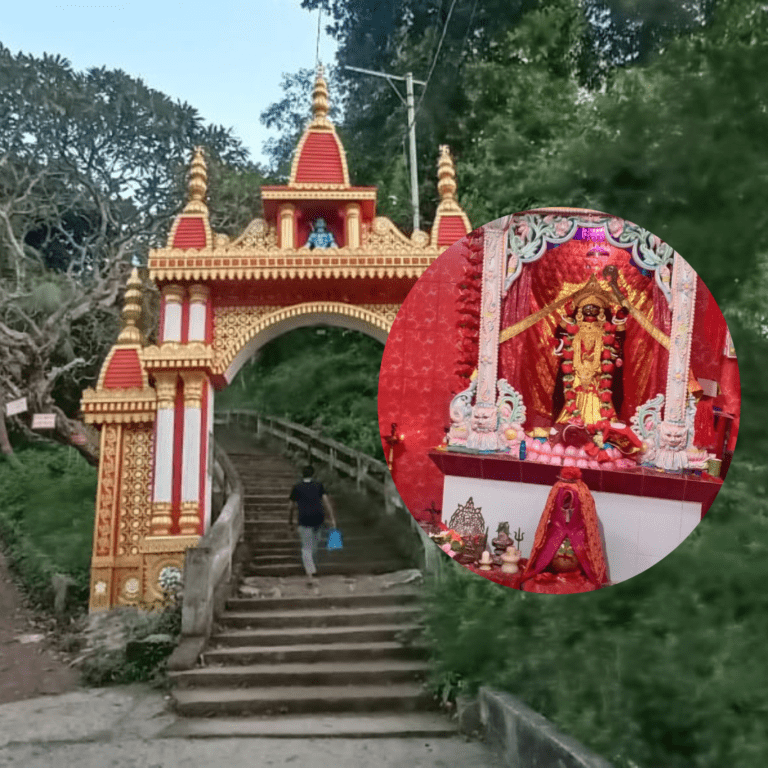
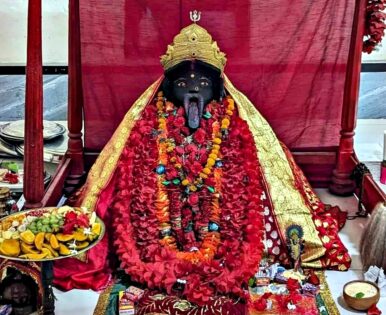
At Kamakhya she is the unutterable creative principle. At Kalighat she is the dark devourer of time. At Sugandha she is the fragrant Sunanda. At Jessoreswari she is the fierce Yogeshwari. At Aparna she is the austere consort of penance. The Devi in Bengal wears every face — the tender mother, the unyielding warrior, the absorbing void, the incandescent dawn. She is many; she is one; she is none of these and all.

Bengal Shakta culture and worship
Chapter Seven

Influence on Bengal’s Culture

The Goddess is the soul of Bengal. Her echo runs through every harvest, every kirtan, every monsoon.

The Shakta tradition shaped Bengal’s music, poetry and political imagination. Saints like Ramprasad Sen sang to her as Mother. Temple sculpture, household rituals, festival cycles — all carry her presence. In undivided Bengal, the Peethas of present-day Bangladesh were not distant frontiers but central anchors of devotional life. To remember them today is to recover an entire chapter of South Asian sacred history.